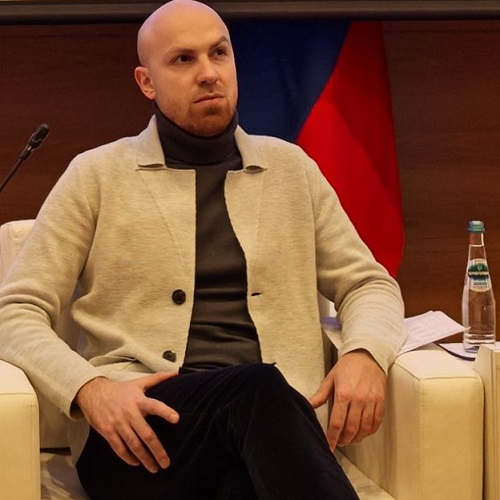
 Alexander Rimuos
When people speak of VDNKh, they often describe it as a “place of power.”
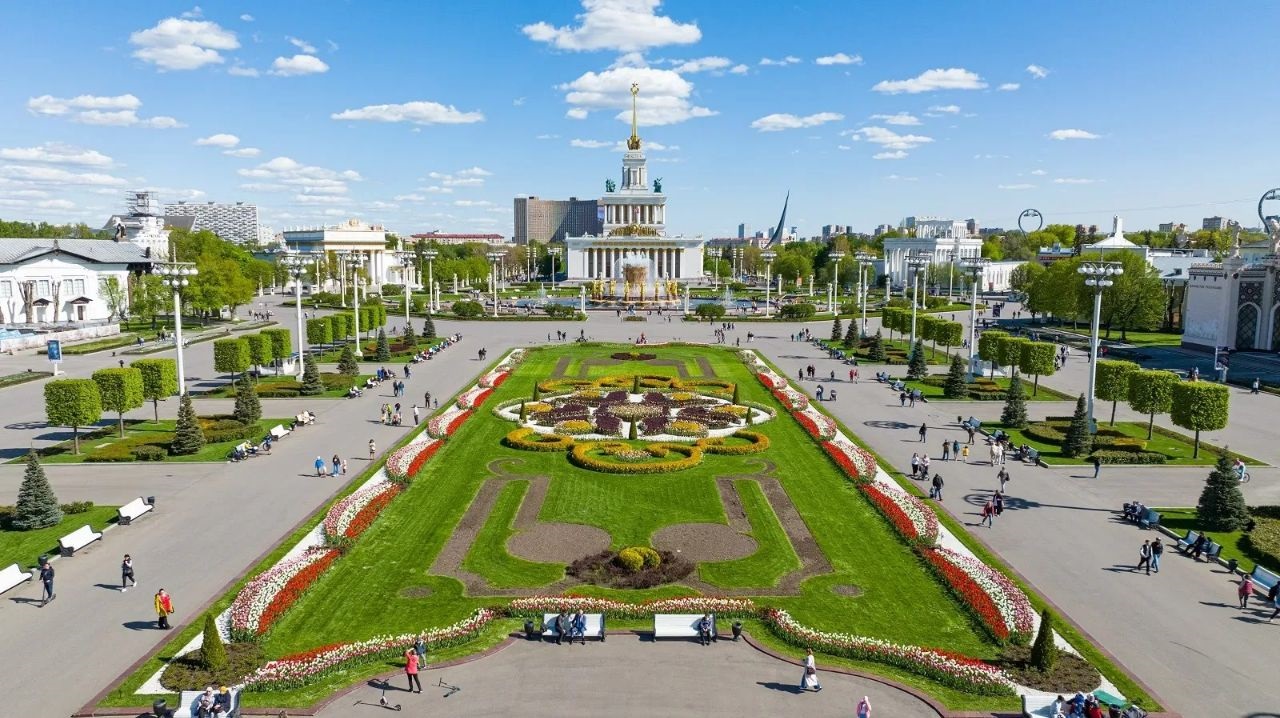
In the case of Russia’s Main Exhibition, however, the phrase is more than a convenient metaphor. Few places in the world have brought together so naturally three distinct historical eras and three radically different visions of the future: the monumental imperial classicism of the Stalinist period, the romantic cosmism of the Soviet Thaw, and the restless dynamism of the twenty-first century.
It is this remarkable layering that makes VDNKh unlike anything else. It has no need to compete with amusement parks or entertainment districts. Its calling lies elsewhere. One might describe it as VDNKh EXPO—a permanent exhibition where history, science, culture, and urban life exist mas a single living organism. Rather than anchoring the site to its past, its history becomes the very force that shapes its future.
A Uniqueness That Cannot Be Replicated
Attempts to create a “new VDNKh” elsewhere inevitably encounter two insurmountable obstacles: the absence of historical memory and the sheer scale of the original vision.
Architecture as the Language of an Era
VDNKh is far more than a collection of exhibition pavilions.
It is an architectural chronicle of a nation that once imagined scientific and technological progress as the path to an earthly paradise. Almost nothing here is accidental. Every relief, every colonnade, every spire and sculptural composition forms part of a unified artistic language through which architecture itself becomes an expression of an entire worldview.
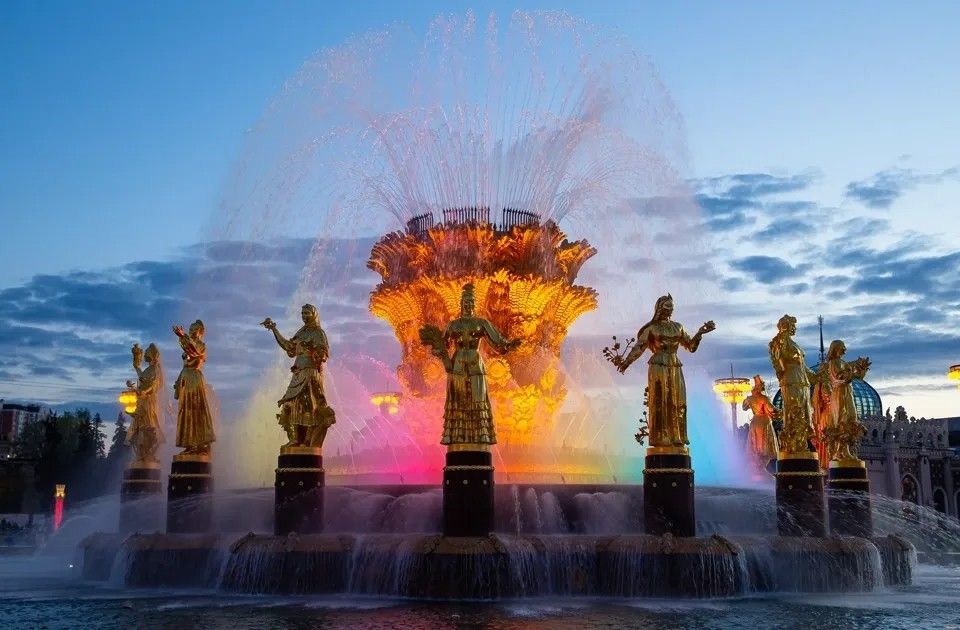
This is why VDNKh feels like a true Gesamtkunstwerk—a total work of art in which architecture, sculpture, landscape, and symbolism are inseparable. Modern exhibitions such as Expo Dubai astonish visitors with technological sophistication, yet they are conceived as temporary events. VDNKh, by contrast, was built with generations in mind.
A Park That Is Itself an Exhibition
Another defining quality of VDNKh is the rare harmony between landscape and architecture. The Sheremetev Oak Grove, Michurin Garden, the ponds, and the broad avenues are not decorative surroundings for the pavilions—they are integral chapters of the same story.
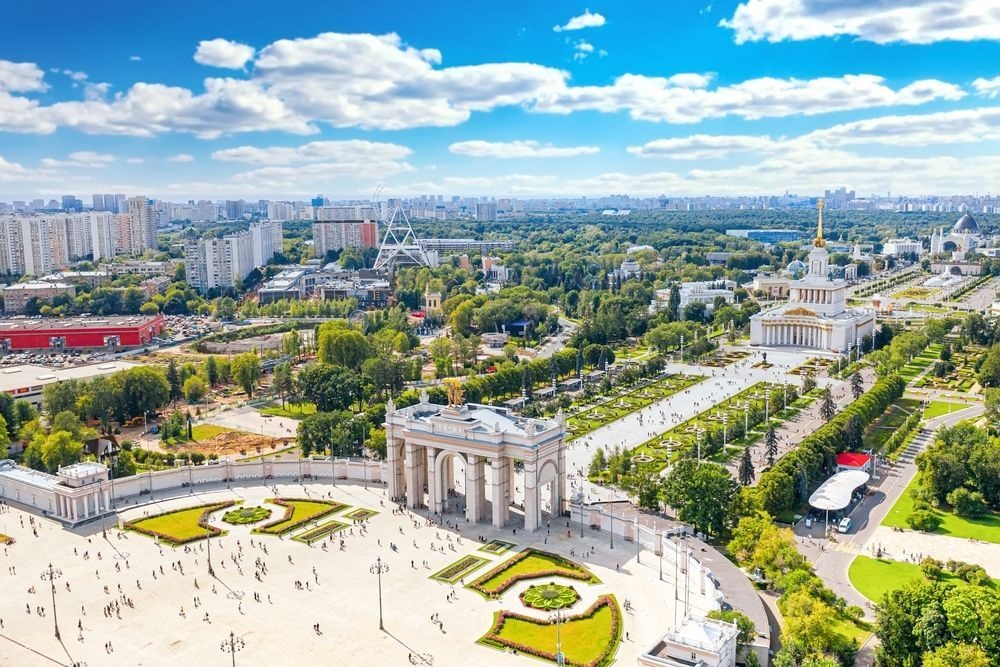
Visitors find themselves inhabiting several worlds at once: a botanical garden, an open-air museum of architecture, a scientific exhibition, and a public park. These experiences do not replace one another; they coexist, creating the feeling of a continuous journey of discovery.
The Memory of Three Generations
VDNKh possesses something that no investment or marketing campaign can manufacture: accumulated emotional memory.
For older generations, it is a return to the optimism of the postwar decades. For those who grew up in the 1970s and 1980s, it recalls family outings, ice cream on summer afternoons, and long queues outside the Cosmos Pavilion. For younger visitors, it has become one of Moscow’s most vibrant public spaces, where history unexpectedly coexists with contemporary urban culture.
Each generation discovers its own VDNKh, and together those experiences form a living continuity.
The Present: Returning to Itself
The post-Soviet decades, when the Exhibition grounds became crowded with market stalls and makeshift commerce, now appear less as a period of decline than as a difficult but necessary search for a new identity.
The restoration program launched in 2014 undertook an extraordinary task: to recover the historic character of VDNKh without turning it into a lifeless museum.
Today the restored fountains Friendship of Nations and The Stone Flower once again animate the central avenues. Museums, educational institutions, restaurants, and cultural spaces continue to emerge across the grounds. More importantly, however, VDNKh is gradually ceasing to be an exhibition of yesterday’s achievements and is becoming a place where conversations about tomorrow begin.
The Future: VDNKh EXPO 365
If this trajectory continues, VDNKh could evolve over the coming decade into something the great World’s Fairs always aspired to become—a permanent landscape of discovery.
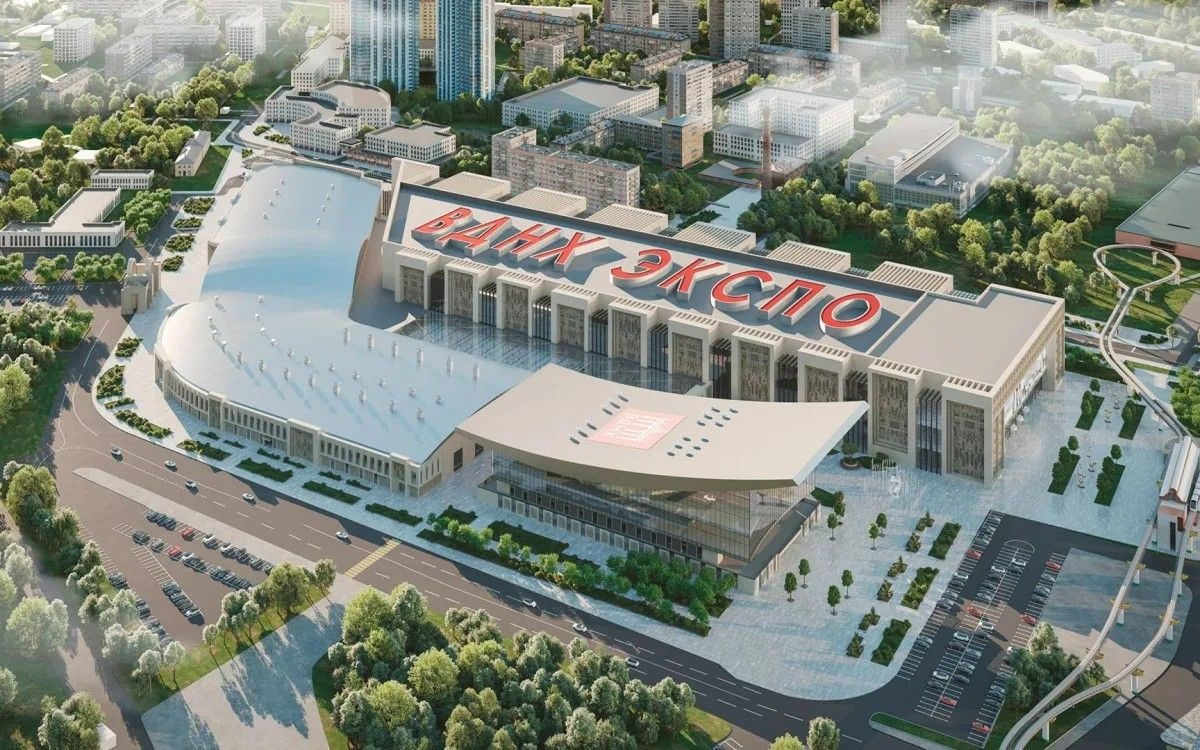
Exhibiting Living Achievement
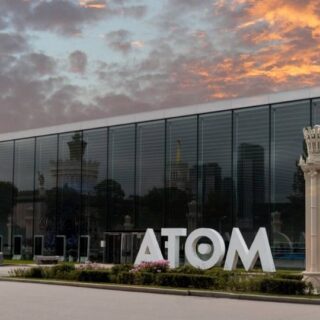
The Atom Pavilion already offers a glimpse of that future.
Each pavilion could become simultaneously a museum, a working laboratory, and a stage for scientific storytelling. The Cosmos Pavilion might display live data transmitted from Russian satellites beneath an immersive digital dome. Energy exhibits could simulate Earth’s changing climate in real time, while biology pavilions might present the latest advances in genetics and environmental science.
The emphasis would no longer be on celebrating past triumphs but on witnessing new achievements as they unfold.
A City Designed to Be Lived In
VDNKh also has the potential to become more than a destination—it could become a place where visitors temporarily inhabit the Exhibition itself.
Future hotels might extend the narrative of the grounds: one inspired by the atmosphere of an art museum, another by an Arctic research station, another by the laboratories of the future. Visitors would no longer choose simply a room, but a world in which to spend several days.
The Public Face of Big Science
As Moscow’s scientific and innovation clusters continue to develop, VDNKh could become the meeting point between research and society.
Here, emerging technologies might first appear before a mass audience. Startups could present their breakthroughs directly to millions of visitors, while discoveries made in university laboratories would acquire a public dimension.
In doing so, VDNKh would recover the spirit of its original mission in 1939—not merely to display accomplishments, but to reveal the direction in which the nation is moving.
Landscape as a Source of Balance
In an age increasingly defined by speed and stress, tranquility itself has become a precious resource.
For that reason, the landscape of VDNKh is likely to evolve not toward ever more attractions, but toward more subtle experiences: sensory gardens, light installations woven into the tree canopy, elevated ecological pathways, and spaces designed for reflection.
It would offer something increasingly rare in a global metropolis—the opportunity to reconnect with nature without ever leaving the city.
An Ark of Time
VDNKh has always served as a mirror of its era. Across different generations, it reflected the nation’s ideas about progress, science, labor, and the future.
Today it has the opportunity to become something more: not simply a monument to history, but a place where tomorrow begins to take shape. Not a theatrical vision of the future, but a living environment in which history, technology, and human experience coexist.
While World’s Fairs around the globe continue to invest billions in spectacular pavilions destined to disappear within months, Moscow already possesses a permanent city of exhibition—one that continues to grow, evolve, and reinvent itself.
Perhaps this is VDNKh’s greatest calling in the twenty-first century: to make its name once again synonymous not with nostalgia, but with the enduring human ambition to imagine—and build—the future.